
The Growth Zone
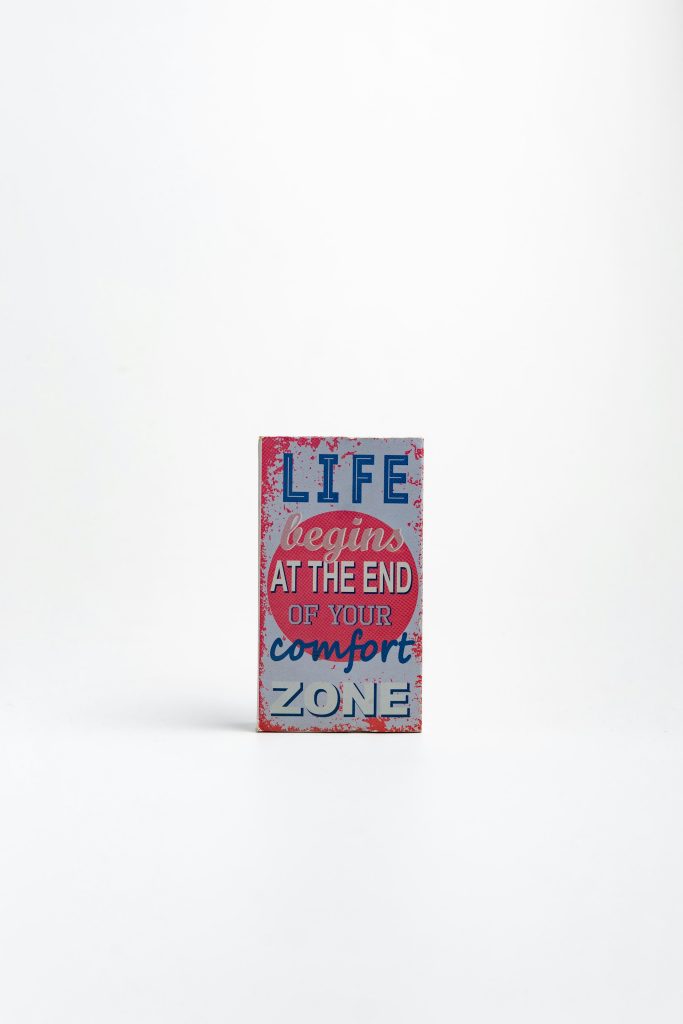
Confronting anxiety can be daunting. An integral step in seeing change is challenging yourself without pushing yourself too far. Here, we will talk about three zones, which pertain to learning and behavioural change: the comfort zone, growth zone, and panic zone.
Understanding OCD and How CBT Can Help
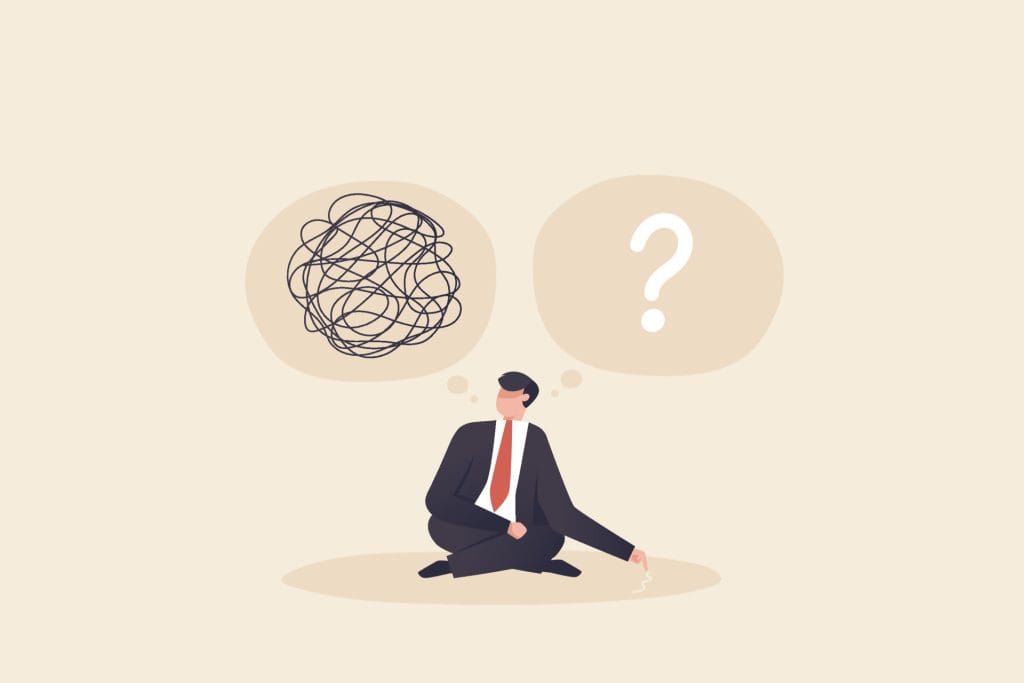
Have you ever had a disturbing thought pop into your mind out of nowhere – and then spent several minutes or hours worrying about what it means or why you had this thought to begin with? Maybe you find yourself checking appliances, locks, texts or emails repeatedly. Perhaps you go to great lengths to avoid certain numbers, words, or situations because they just don’t feel right. Or perhaps you seek reassurance from friends, family, or Chat GPT to see if you’re a good person. If any of this sounds familiar, you’re not alone. These are common experiences for people living with Obsessive-Compulsive Disorder (OCD).
All About Panic Disorder
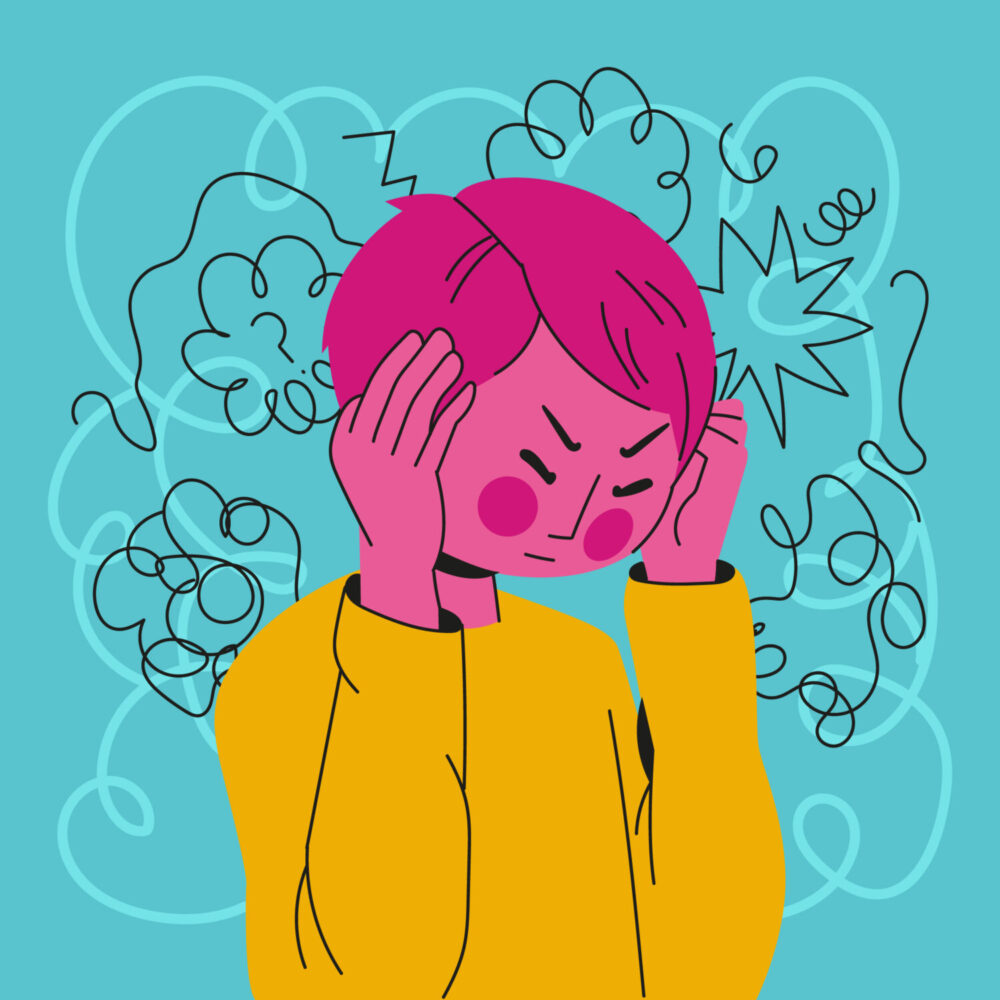
Anxiety is an emotion that everyone experiences, typically in response to perceived threats. Whether it is the impeding pressure of deadlines at work, a job interview, meeting someone for the first time, or performing in front of a crowd, mild levels of anxiety can be beneficial in motivating us to do our best. However, anxiety disorders differ from experiencing the emotion of anxiety. Anxiety disorders are characterized by excessive fear and anxiety that is out of proportion to the situation a person is facing and that causes significant distress or impedes normal functioning in daily life.