All About Panic Disorder
Anxiety is an emotion that everyone experiences, typically in response to perceived threats. Whether it is the impeding pressure of deadlines at work, a job interview, meeting someone for the first time, or performing in front of a crowd, mild levels of anxiety can be beneficial in motivating us to do our best. However, anxiety disorders differ from experiencing the emotion of anxiety. Anxiety disorders are characterized by excessive fear and anxiety that is out of proportion to the situation a person is facing and that causes significant distress or impedes normal functioning in daily life [APA, n.d.].
 ‘Anxiety disorder’ is actually an umbrella term that captures a handful of disorders, such as general anxiety disorder (GAD), specific phobias, social anxiety disorder, selective mutism, separation anxiety, and panic disorder [APA, n.d.].
What is Panic Disorder?
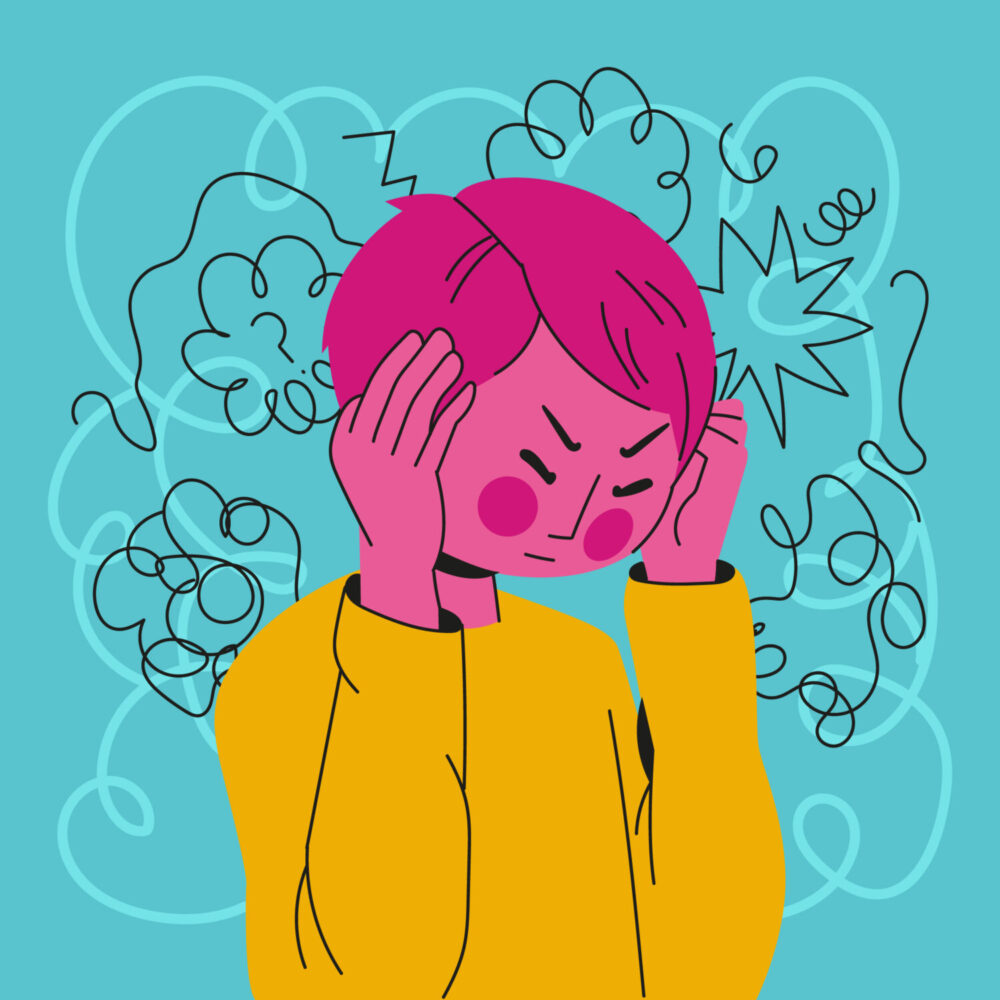
Panic Disorder is a type of anxiety disorder characterized by recurrent panic attacks —episodes of intense anxiety involving both mental and physical distress1. In Panic Disorder an individual’s panic attacks seem to come on out of the blue [APA, 2013]. In other words, there is no clear trigger for the panic attacks – there is nothing stressful happening nor are they thinking about a stressful topic when the panic attack starts. Many individuals experience at least one panic attack in their lifetime but do not go on to develop the disorder. Panic Disorder is diagnosed when an individual has become very fearful of having more panic attacks and/or is making significant changes in their behaviour to try and prevent more panic attacks from happening [APA, 2013]. This might mean avoiding places or circumstances where panic attacks happened in the past, avoiding activities (e.g., exercise, drinking coffee) that can trigger physical sensations similar to what the person experiences during panic attacks, and/or avoiding places where they feel “trapped” and would not be able to easily escape in the event of a panic attack. Avoidance can become so severe that individuals stop leaving the house altogether.
Panic attacks typically last about 10-20 minutes and peak quite quickly but may last up to an hour [Cleveland Clinic, n.d.]. People may experience a variety of physical symptoms during panic attacks, which can include [APA, 2013, Cleveland Clinic, n.d.]:
 chest pain or discomfort
- difficulty breathing or feelings of choking
- shaking or trembling
- racing heart or palpitations
- chills or sweating
- nausea or abdominal distress
- feeling dizzy or lightheaded
- tingling or numbness
Psychological symptoms can include fearing losing control or that one is going crazy, fearing that one is dying, and feelings of becoming unattached from reality (derealization) and yourself (depersonalization) [Cleveland Clinic, n.d.]. Understandably someone experiencing a panic attack might not know what is happening and may interpret their physical sensations as signs they are having a heart attack or other life-threatening episode and may end up in the emergency room.
There is some overlap in symptoms of panic disorder and other anxiety disorders; however, not everyone who experiences panic attacks has Panic Disorder. People with other anxiety disorders, such as specific phobias and social anxiety disorder, may experience cued panic attacks, where the panic attacks is caused by a specific trigger (e.g., someone who has a specific phobia of dogs might experience a panic attack when they come in close contact with a dog) [APA, 2013].
Treatment for Panic Disorder
If you believe you are experiencing unexpected panic attacks that interfere with daily life, you may benefit from reaching out for professional help – consider seeing your family doctor or contacting a mental health clinician like a psychologist, psychiatrist, or psychotherapist (to learn more about the differences between these clinicians, see our previous blog post ‘different types of mental health professionals and what they do’).

Once diagnosed, the first line of treatment for panic disorder is Cognitive Behavioural Therapy (CBT) [CAMH, n.d.]. CBT involves psycho-education about the nature of anxiety and panic; identifying and challenging unhelpful thoughts related to panic; disrupting avoidance behaviours through exposure to situations and circumstances that you have been avoiding, and exposure to the feared physical sensations. CBT helps clients reduce their fear of and change their attitudes toward having panic attacks, which typically reduces the frequency and intensity of their panic attacks.
 Medications such as antidepressants (SSRI’s or SNRI’s), beta-blockers, or anti-anxiety drugs (benzodiazepines) may also be prescribed by your psychiatrist or family physician. These medications help manage panic disorder symptoms by calming the nervous system, and minimizing the physical symptoms associated with panic attacks like racing heart, sweating, and tremors [NIMH, n.d.].
Speak with your primary physician, psychiatrist, or psychologist to come up with a treatment plan best tailored to your specific needs!
Authors: Emma Weber, BSc and Erin Fallis, Ph.D., C.Pysch.
References
-
- American Psychiatric Association. (n.d.). What are anxiety disorders? https://www.psychiatry.org/patients-families/anxiety-disorders/what-are-anxiety-disorders
- American Psychiatric Association. (2013). Diagnostic and statistical manual of mental disorders (5th ed.). Arlington, VA: American Psychiatric Association.
- Cleveland Clinic. (n.d.). Panic attacks & panic disorder. https://my.clevelandclinic.org/health/diseases/4451-panic-attack-panic-disorder
- CAMH. (n.d.). Panic disorder. https://www.camh.ca/en/health-info/mental-illness-and-addiction-index/panic-disorder
- National Institute of Mental Health. (n.d.). Panic disorder: When fear overwhelms. https://www.nimh.nih.gov/health/publications/panic-disorder-when-fear-overwhelms